Recognizing the Quiet Signs: A Compassionate Guide to Autism Symptoms and Ayurvedic Healing
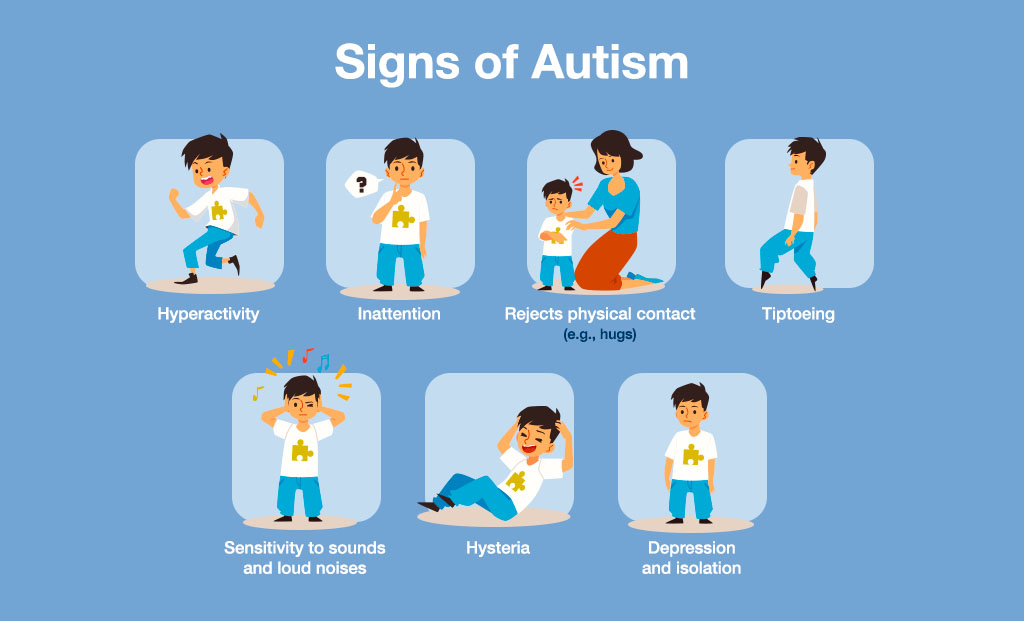
The living room is filled with toys, but your three-year-old isn’t playing with them. Instead, they are sitting in the corner, intently spinning the wheels of a toy car over and over again. You call their name—once, twice, three times—but there is no response. It’s as if they are in a world of their own.
As a parent, your intuition is a powerful thing. That nagging feeling that something is “different” can be overwhelming and isolating. You might be scrolling through forums at 2:00 AM, searching for autism symptoms, wondering if the delayed speech or the lack of eye contact is just a “phase” or something more.
At Guru Nanak Ayurvedic Clinic, we understand that this journey is filled with questions and deep emotional weight. We believe that every child’s path to development is unique, and while an Autism Spectrum Disorder (ASD) diagnosis can feel like a heavy door closing, Ayurveda offers a window of hope, focusing on nurturing the nervous system and restoring balance to a child’s natural vitality.
Understanding Autism Symptoms: Beyond the Labels
Autism is not a disease to be “cured”; it is a neurodevelopmental condition that affects how a child perceives the world and interacts with others. Because it is a “spectrum,” symptoms vary wildly. However, most parents first notice challenges in three core areas: social communication, repetitive behaviors, and sensory sensitivities.
Early Social and Communication Red Flags
Early intervention is the cornerstone of progress. Identifying autism symptoms early can significantly alter a child’s developmental trajectory.
Lack of Social Reciprocity: The child may not share enjoyment, point at objects to show interest, or respond to their name by 12 months.
Speech Delays: Some children may not speak at all, while others may lose words they previously had (regression).
Difficulty with Eye Contact: Avoiding direct gaze or having a “blank” expression during social interactions.
Echolalia: Repeating phrases or words heard from others or TV shows without understanding the context.
Behavioral and Sensory Patterns
Repetitive Movements: Flapping hands, rocking the body, or spinning in circles (often called “stimming”).
Fixated Interests: An intense focus on specific objects, like the texture of a rug or the mechanics of a ceiling fan.
Sensory Overload: Overreacting or underreacting to sounds, lights, or textures. A vacuum cleaner might feel like a physical assault, or a tag on a shirt might be unbearable.
The Struggles Families Face: You Are Not Alone
Living with a child who has neurological challenges isn’t just a medical journey; it’s a lifestyle shift. Parents often face:
The Weight of Late Diagnosis: Many families spend years in “wait-and-watch” mode, losing precious time during the brain’s most plastic years.
The “Wall” of Conventional Therapy: While physical and occupational therapies are vital, some parents find that progress plateaus or that the child remains highly anxious.
Economic and Emotional Strain: The high cost of long-term therapy and the social isolation of having a child who “acts out” in public can lead to caregiver burnout.
At Guru Nanak Ayurvedic Clinic, we see the parent as much as we see the child. We recognize that for a child to heal, the family environment must be supported by natural, sustainable, and effective care.
The Ayurvedic Perspective: Balancing the “Vata”
In Ayurveda, neurological conditions like Autism and Cerebral Palsy are often viewed through the lens of Vata Dosha imbalance. Vata governs the nervous system, movement, and sensory perception. When Vata is aggravated, it can lead to restlessness, communication gaps, and digestive issues—all common in children with ASD.
Why Choose Natural Autism Therapy in India?
Natural autism therapy in India is gaining global recognition because it doesn’t just treat the symptoms; it treats the “Agni” (digestive fire) and the “Majja Dhatu” (nervous tissue). Scientific research increasingly points to the “gut-brain axis,” a concept Ayurveda has championed for millennia. By healing the gut and calming the nervous system, we often see a natural improvement in focus and behavior.
How Ayurveda Supports Brain Development and Nerve Strengthening
Our approach at Guru Nanak Ayurvedic Clinic is holistic. We don’t use a “one size fits all” checklist. Instead, we look at the child’s unique constitution (Prakriti) and design a protocol that supports their specific needs.
1. Panchakarma for Children
Panchakarma isn’t just for adults. Gentle, modified versions of these detoxifying treatments can be transformative for children with neurological delays.
Abhyanga (Therapeutic Massage): Using specialized herbal oils to calm the nervous system and improve muscle tone.
Shirodhara: A rhythmic pouring of warm herbal oil on the forehead. This is exceptionally effective for children with high anxiety, sleep disturbances, or sensory processing issues.
Basti (Medicated Enemas): Since the colon is the “seat” of Vata, gentle herbal enemas help clear toxins and nourish the brain from the inside out.
2. Medhya Rasayanas (Nervous System Rejuvenators)
Ayurveda utilizes specific herbs known as Medhya Rasayanas that are scientifically noted for their neuroprotective properties:
Brahmi (Bacopa monnieri): Known to improve memory, focus, and cognitive function.
Shankhpushpi: Helps in reducing mental fatigue and controlling hyperactivity.
Jyotishmati: Supports “Dhi” (intellect) and “Dhriti” (retention).
3. Diet and Lifestyle Guidance
Many children with autism symptoms suffer from “leaky gut” or food sensitivities. We guide parents on a “Vata-pacifying” diet—warm, cooked, easy-to-digest foods—while removing inflammatory triggers that contribute to brain fog and irritability.
Cerebral Palsy (CP) and Ayurvedic Intervention
While the primary focus today is often on Autism, cerebral palsy treatment in Ayurveda follows a similar philosophy of nerve strengthening. For a “CP child,” the struggle is often physical—muscle stiffness (spasticity) and lack of coordination.
CP child therapy at our clinic focuses on:
Udwarthanam: Herbal powder massage to improve circulation and reduce stiffness.
Nadi Swedana: Localized herbal steam to soften rigid muscles.
Nervine Tonics: To help the brain communicate more effectively with the limbs.
Why Choose Guru Nanak Ayurvedic Clinic?
Seeking Ayurvedic neurological treatment is a step toward a more natural, gentle rhythm of life. At Guru Nanak Ayurvedic Clinic, we pride ourselves on being a sanctuary for families.
Specialized Expertise: We are not generalists. We focus specifically on child neurological care, ensuring your child receives expert-level attention.
Compassionate Environment: We know that a clinic visit can be scary for a child with sensory issues. We maintain a calm, welcoming atmosphere.
Long-term Improvement: Our goal is not a quick fix but a steady, sustainable improvement in the child’s quality of life, speech, and social integration.
Parents seeking guidance on managing autism symptoms or looking for holistic support can connect with Guru Nanak Ayurvedic Clinic for a personalized consultation.
What Parents Can Expect During Treatment
The journey of autism therapy for children is a marathon, not a sprint. When you begin treatment with us, the process typically follows these stages:
Deep Assessment: We look at the child’s sleep patterns, digestion, energy levels, and behavioral triggers.
Customized Herbal Protocol: We introduce herbal treatment for autism gradually, ensuring the child’s system accepts the nourishment.
Therapeutic Sessions: Depending on the child’s age and comfort, we begin external therapies like Abhyanga or Shirodhara.
Parental Coaching: We empower you with tools to use at home, from dietary changes to specific massage techniques.
Common Questions (FAQs)
Can Ayurveda help children with Autism?
Yes. Ayurveda focuses on balancing the nervous system and improving gut health, which can lead to better focus, reduced hyperactivity, and improved social communication in children with Autism.
What Ayurvedic therapies are used for CP children?
For Cerebral Palsy, we primarily use Abhyanga (oil massage), Swedana (herbal steam), and specific Basti treatments to reduce muscle spasticity and strengthen the nerves.
Is natural treatment safe for Autism?
Ayurvedic treatments at Guru Nanak Ayurvedic Clinic use natural herbs and external therapies that are non-invasive and generally free from the side effects often associated with heavy sedation or synthetic medications.
How long does Ayurvedic treatment take?
Neurological healing takes time. While some parents notice improvements in sleep and digestion within a few weeks, significant developmental milestones usually require 6 to 12 months of consistent care.
Can Ayurvedic treatment support speech development?
By using Medhya herbs (brain tonics) and improving the child’s overall cognitive clarity, many parents report a “breakthrough” in speech and a greater desire for the child to communicate.
What age should treatment start?
The earlier, the better. The brain is most adaptable before the age of 7. However, Ayurveda can offer supportive care and improve the quality of life for children of all ages.
A Path Forward Together
Your child’s potential is not defined by a diagnosis. Whether you are dealing with the first signs of autism symptoms or seeking a more holistic path for a child with Cerebral Palsy, there is a community here to support you.
At Guru Nanak Ayurvedic Clinic, we believe in the power of nature to nurture the mind. We invite you to move away from the stress of “managing” and toward the hope of “healing.”
Take the first step today. Reach out to us to discuss how we can create a brighter, more balanced future for your child.

Vamtam
Lorem ipsum dolor sit amet consectetur adipiscing elit dolor
Finding Hope in the Healing Touch: A Parent’s Guide to Autism and Cerebral Palsy Recovery
The day a parent notices their child isn’t meeting milestones—perhaps a lingering silence where there should be “mamas” and “papas,” or a stiffness in little
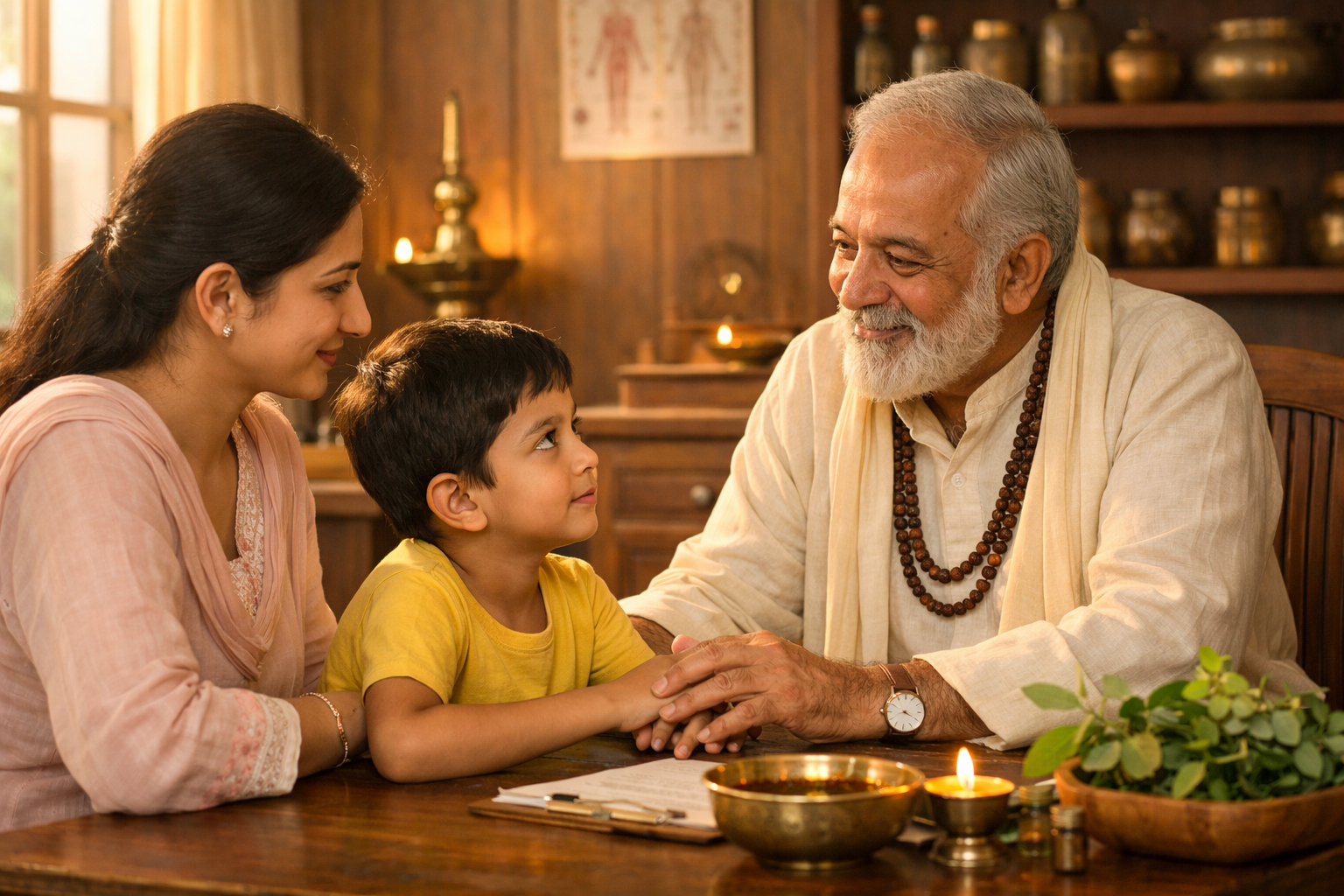
CP Child Treatment in Delhi: A Compassionate Ayurvedic Path to Healing
The moment a parent receives a diagnosis of Cerebral Palsy (CP) or Autism Spectrum Disorder (ASD), the world seems to shift. You might remember the

Autism Treatment in Delhi: A Complete Guide for Parents Seeking Real Solutions
For many parents, hearing the word autism for the first time can feel overwhelming. Questions start racing through the mind. Why is my child not